Climate change is often discussed as a global challenge, but its effects are deeply local. In many parts of Kenya, deforestation, soil erosion, and declining water sources are already affecting daily life.
For families who rely on agriculture, these environmental changes can threaten both food security and economic stability.
Yet some of the most promising solutions are emerging from an unexpected place: classrooms.
Across many schools, children are becoming active participants in environmental restoration efforts.
Teaching Environmental Responsibility Early
Children possess a natural curiosity about the world around them. When environmental education is introduced early, this curiosity can evolve into lifelong stewardship.
School-based environmental programs help students understand how ecosystems function and why protecting natural resources matters.
These lessons move beyond textbooks. Students learn through hands-on activities such as planting trees, maintaining school gardens, and monitoring local water sources.
By participating directly in conservation efforts, children develop a sense of responsibility for the landscapes they will one day inherit.
The Power of Tree Planting
Tree planting remains one of the most accessible ways for communities to restore degraded environments.
Trees stabilize soil, reduce erosion, improve water retention, and provide shade that supports crop growth. Over time, they also contribute to biodiversity and improved air quality.
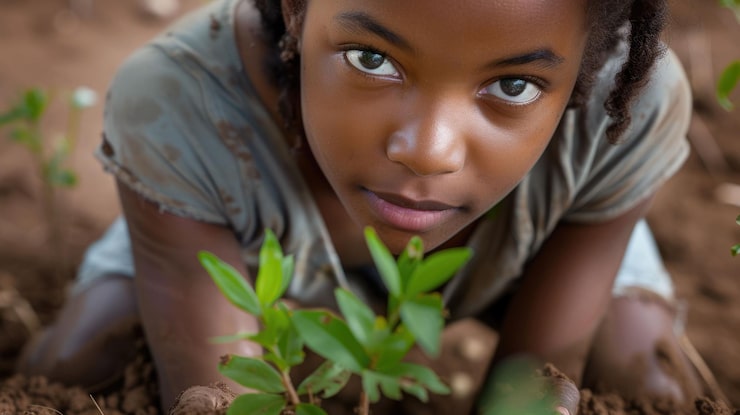
When children participate in tree planting initiatives, the activity becomes more than a symbolic gesture.
Students often plant one tree at school and another at home, creating personal connections with the plants they nurture. As they care for these trees, they witness firsthand how environmental stewardship leads to tangible change.
Environmental Clubs in Schools
Many schools have established environmental clubs that allow students to explore conservation topics in greater depth.
These clubs organize activities such as clean-up campaigns, awareness events, and discussions about climate change. Members often share their knowledge with peers, spreading environmental awareness throughout the school community.
Teachers play an important role by guiding students in understanding how local environmental challenges connect to broader global issues.
Long-Term Benefits
Engaging children in environmental restoration has benefits that extend beyond immediate ecological improvements.
Students who develop environmental awareness often influence their families’ behaviors at home. They encourage tree planting, responsible waste management, and sustainable farming practices.
Over time, these small actions contribute to broader cultural shifts toward sustainability.
Preparing Future Leaders
The environmental decisions made today will shape the quality of life for future generations. By involving children in conservation activities now, communities are preparing young people to become responsible environmental leaders.
These students will grow up with practical knowledge about sustainability and a deeper appreciation for the natural resources that support their communities.
A Shared Responsibility
Environmental protection is not the responsibility of governments or organizations alone. It requires collective action from individuals, families, schools, and communities.
When children become environmental champions, they inspire others to take action as well.
Through simple acts such as planting trees and caring for the land, young people are helping build a greener, healthier future for everyone.