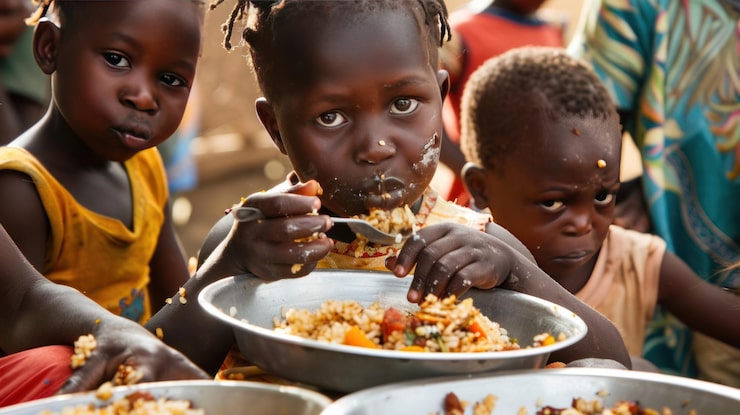
Food is one of the most basic requirements for healthy childhood development. Yet across many regions of Kenya, ensuring consistent access to nutritious food has become increasingly difficult.
Climate change is reshaping rainfall patterns, shortening growing seasons, and reducing crop yields in many rural communities. Families who once relied on predictable harvests now face uncertainty each year.
For young children and pregnant mothers, these changes can have serious consequences.
Malnutrition remains one of the leading causes of poor health outcomes among children. Stunting, micronutrient deficiencies, and weakened immune systems often develop when families cannot access diverse, nutrient-rich foods.
However, communities are finding innovative ways to adapt.
Rethinking Food Systems at the Household Level
Large-scale agricultural solutions often dominate conversations about food security, but some of the most effective interventions occur at the household level.
Kitchen gardens, for example, allow families to grow vegetables year-round within small plots of land. Crops such as kale, spinach, indigenous leafy vegetables, and orange-fleshed sweet potatoes provide essential vitamins and minerals.
Because these gardens are located close to the home, they are easier to maintain and harvest regularly.
Families can also experiment with drought-resistant crops and indigenous varieties that require less water than conventional crops. Many traditional plants are naturally adapted to local conditions and contain higher nutrient levels.
Reviving these crops helps communities strengthen both nutrition and climate resilience.
The Importance of Dietary Diversity
A balanced diet depends on more than simply having enough food. Dietary diversity ensures that children receive the range of nutrients required for healthy growth.
In many rural households, meals often revolve around staple foods such as maize or cassava. While these provide energy, they lack essential micronutrients needed for brain development and immune function.
Introducing legumes, vegetables, and biofortified crops can dramatically improve nutritional outcomes.
Iron-rich beans, zinc-enriched maize, and vitamin A–rich sweet potatoes are examples of crops designed to address common deficiencies. These foods help combat “hidden hunger,” a form of malnutrition that occurs even when caloric intake appears sufficient.
Teaching Nutrition Skills
Nutrition programs are most effective when families understand how to prepare and combine foods to preserve their nutritional value.
Cooking demonstrations and community training sessions allow mothers and caregivers to learn techniques that retain nutrients during meal preparation. Simple practices—such as reducing cooking time for vegetables or combining certain foods for better nutrient absorption—can make a meaningful difference.
These sessions also create opportunities for knowledge sharing within communities.
When neighbors exchange gardening tips, recipes, and agricultural experiences, nutrition becomes a shared responsibility rather than an individual challenge.
Climate Adaptation Through Agriculture
Climate-resilient farming practices help households continue producing food even during unpredictable weather conditions.
Rainwater harvesting systems capture seasonal rainfall for use during dry periods. Mulching techniques help retain soil moisture. Crop diversification reduces dependence on a single harvest.
Over time, these strategies strengthen local food systems by making them less vulnerable to environmental shocks.
Children benefit directly from these changes.
When families maintain stable food supplies, children experience fewer disruptions in their growth and development. Consistent nutrition supports stronger immune systems, better school performance, and improved long-term health outcomes.
Community-Led Solutions
One of the most encouraging aspects of climate-resilient nutrition programs is their emphasis on community ownership.
Rather than relying solely on external aid, these initiatives equip families with knowledge and skills they can sustain independently. Once a household establishes a successful kitchen garden or adopts climate-smart farming methods, the benefits continue year after year.
Neighbors observe these successes and often replicate them in their own homes, allowing solutions to spread organically throughout communities.
Nourishing the Next Generation
Children’s health depends on more than food quantity. It depends on the quality, diversity, and sustainability of the foods available to them.
As climate challenges continue to reshape agricultural systems, communities must adapt in ways that protect both nutrition and environmental health.
By embracing climate-resilient crops, strengthening household food systems, and sharing knowledge across communities, families can safeguard the wellbeing of their children even in uncertain times.
In doing so, they are not simply growing food. They are cultivating healthier futures.